
Olhos Fitos
PT-BR: Olhos Fitos é um perfil dedicado a ensinos bíblicos e projetos gráficos que transmitam a mensagem cristã, seu objetivo, além de transmitir ensinos cristãos, é trazer o apreço pela beleza, o incentivo a fazer projetos com excelência, a valorizar o belo, e motivar a utilização de tecnologias atuais.
EN-US: Olhos Fitos is a profile dedicated to biblical teachings and graphic projects that convey the Christian message. Its objective, in addition to conveying Christian teachings, is to bring appreciation for beauty, encouragement to carry out projects with excellence, to value beauty, and to motivate the use of current technologies.
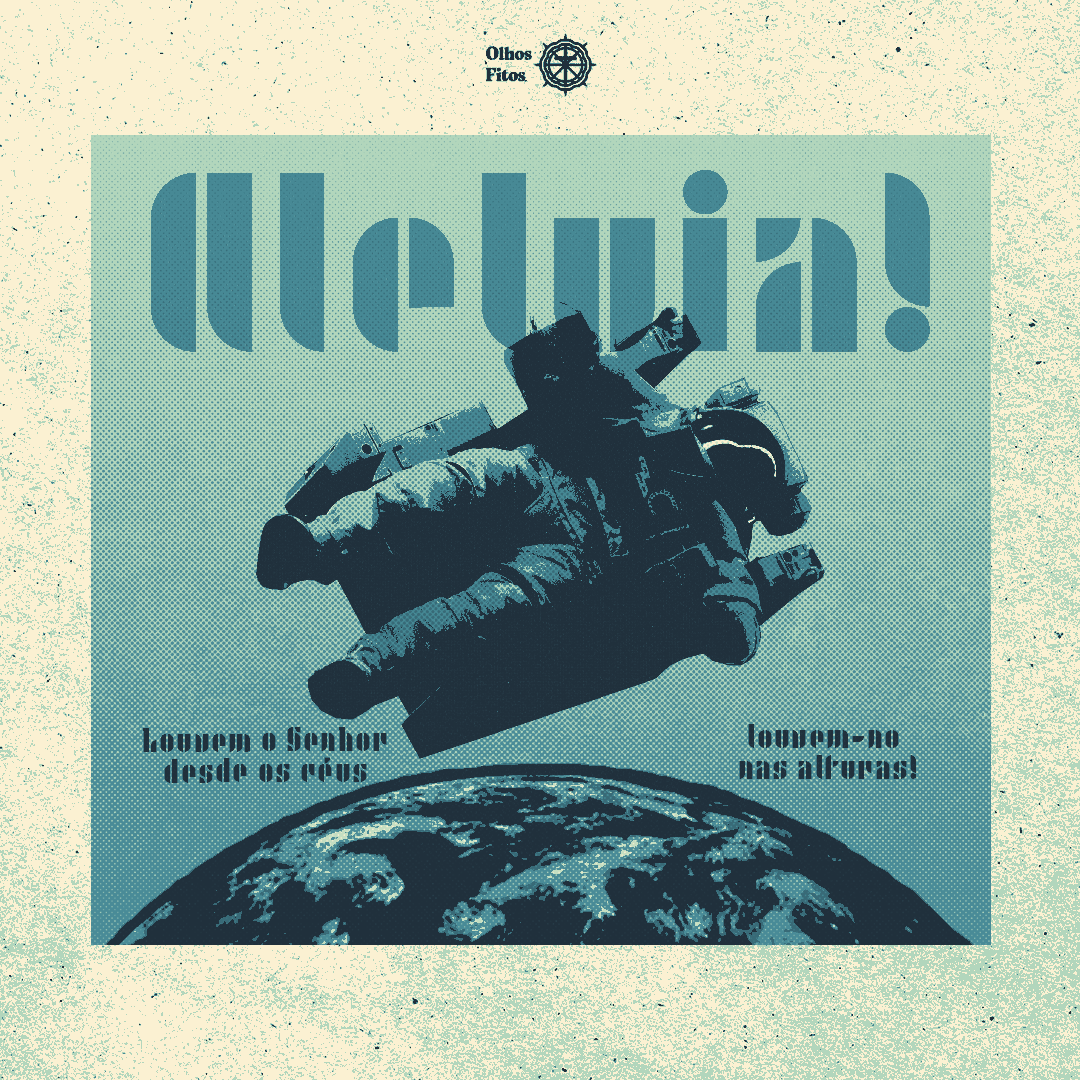
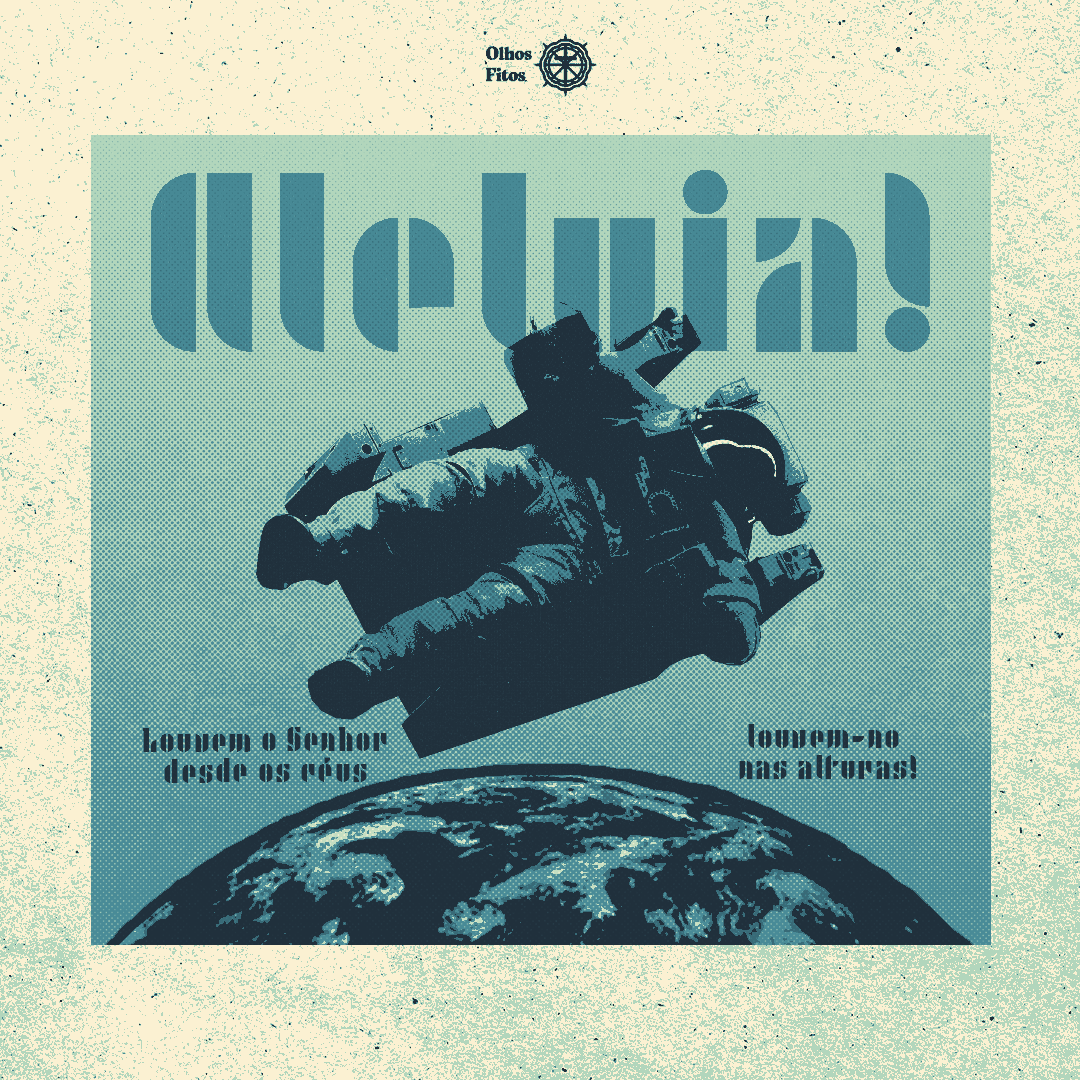
Projeto desenvolvido com base em Salmos 148:1. O conceito trazido ao projeto é trazer uma percepção de que o personagem está louvando nas alturas, porém, mais alto do que o observador imaginaria. Foi utilizado uma paleta de cores limitada a duas matizes, sendo essas as cores azul e amarelo, com técnicas de bitmap nos elementos centrais e com uma textura de ruído em suas bordas.
Project developed based on Psalm 148:1. The concept brought to the project is to bring a perception that the character is praising in the heights, but higher than the observer would imagine. A color palette limited to two hues was used, these being the colors blue and yellow, with bitmap techniques in the central elements and with a noise texture on their edges.
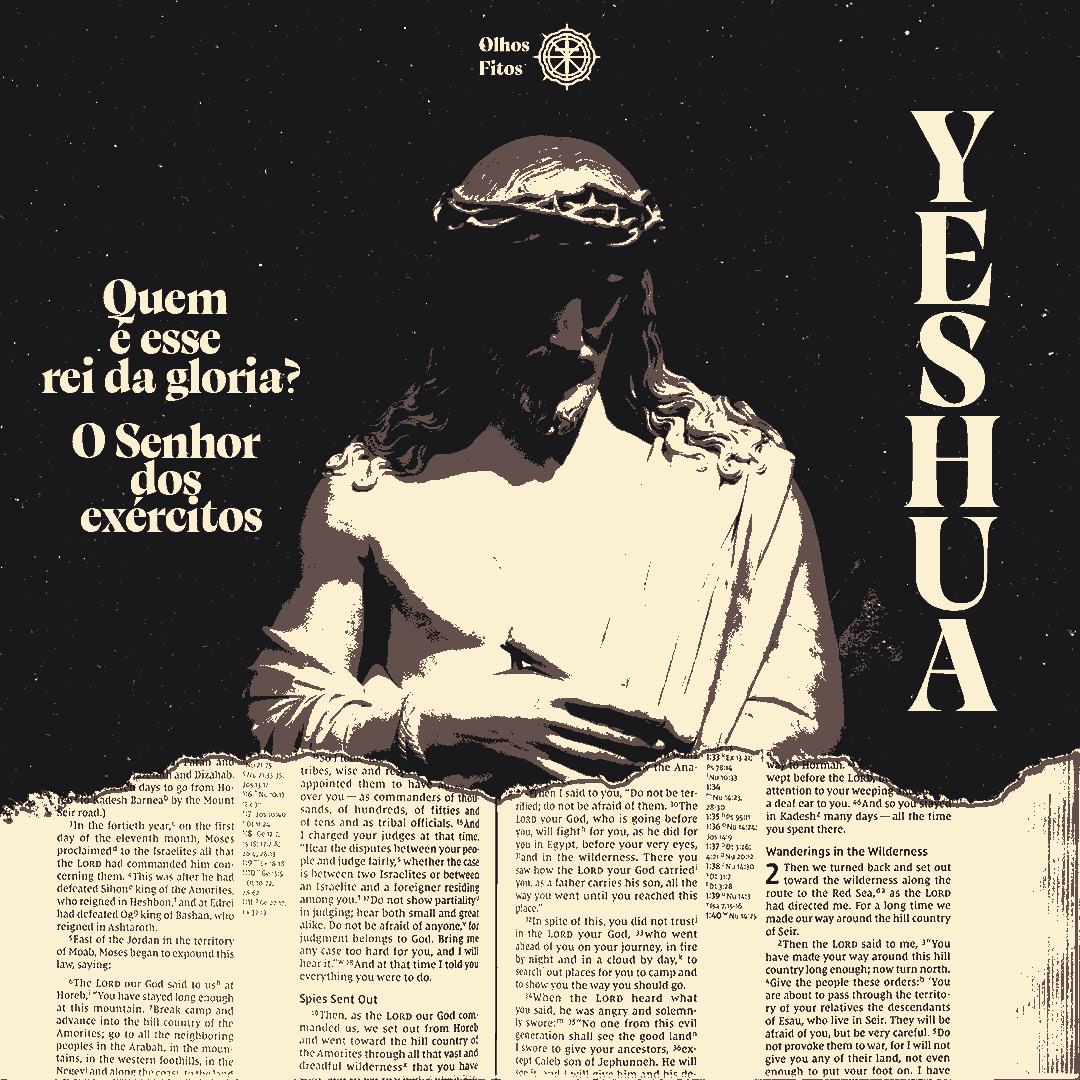
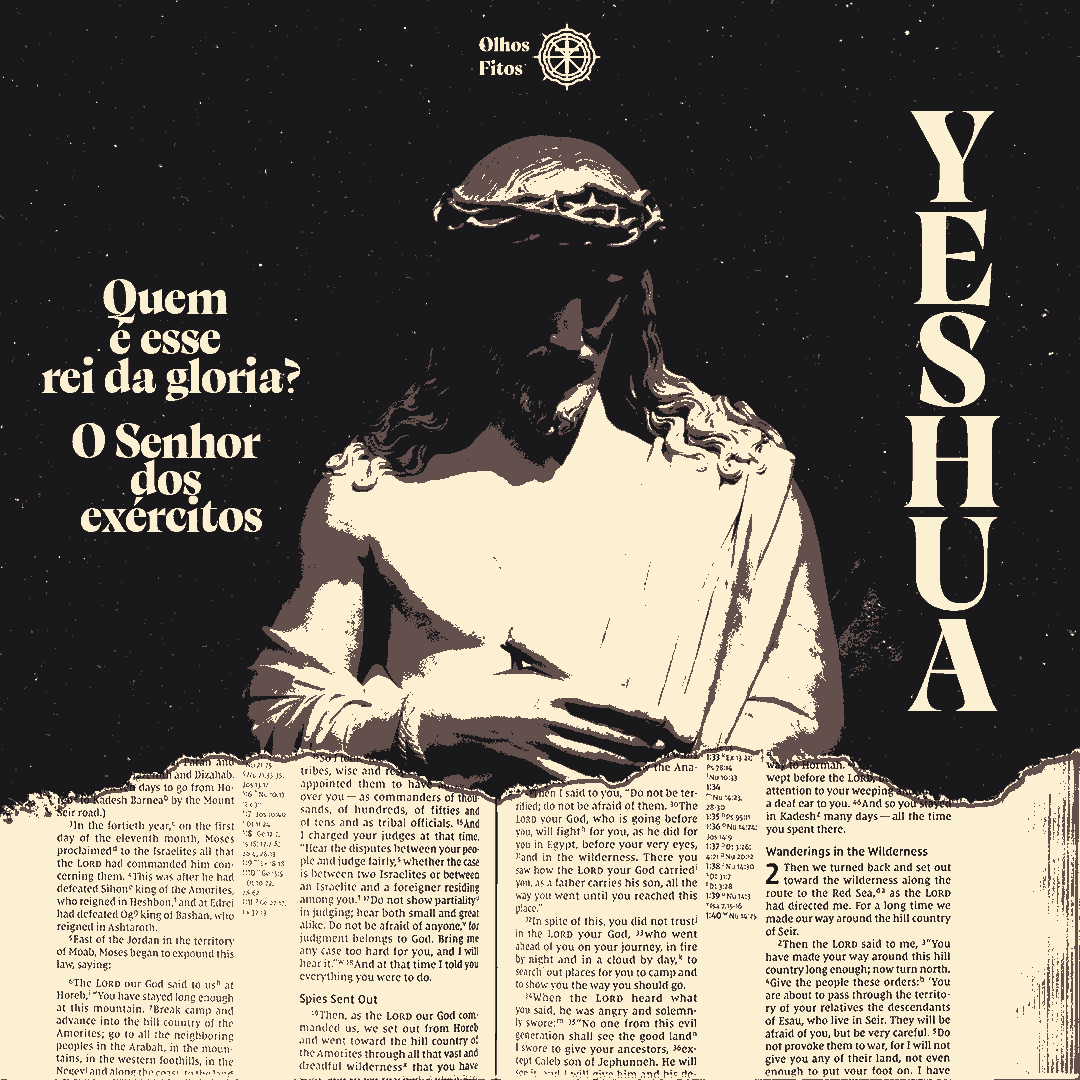
Projeto desenvolvido com base em Salmos 24:10. Foi utilizado como elemento principal a figura de Jesus, com um fragmento de Deuteronômio como moldura inferior. A paleta de cores monocromática intensifica a atenção do observador ao contraste entre os três tons utilizados.
Project developed based on Psalm 24:10. The figure of Jesus was used as the main element, with a fragment of Deuteronomy as the lower frame. The monochromatic color palette intensifies the observer's attention to the contrast between the three tones used.
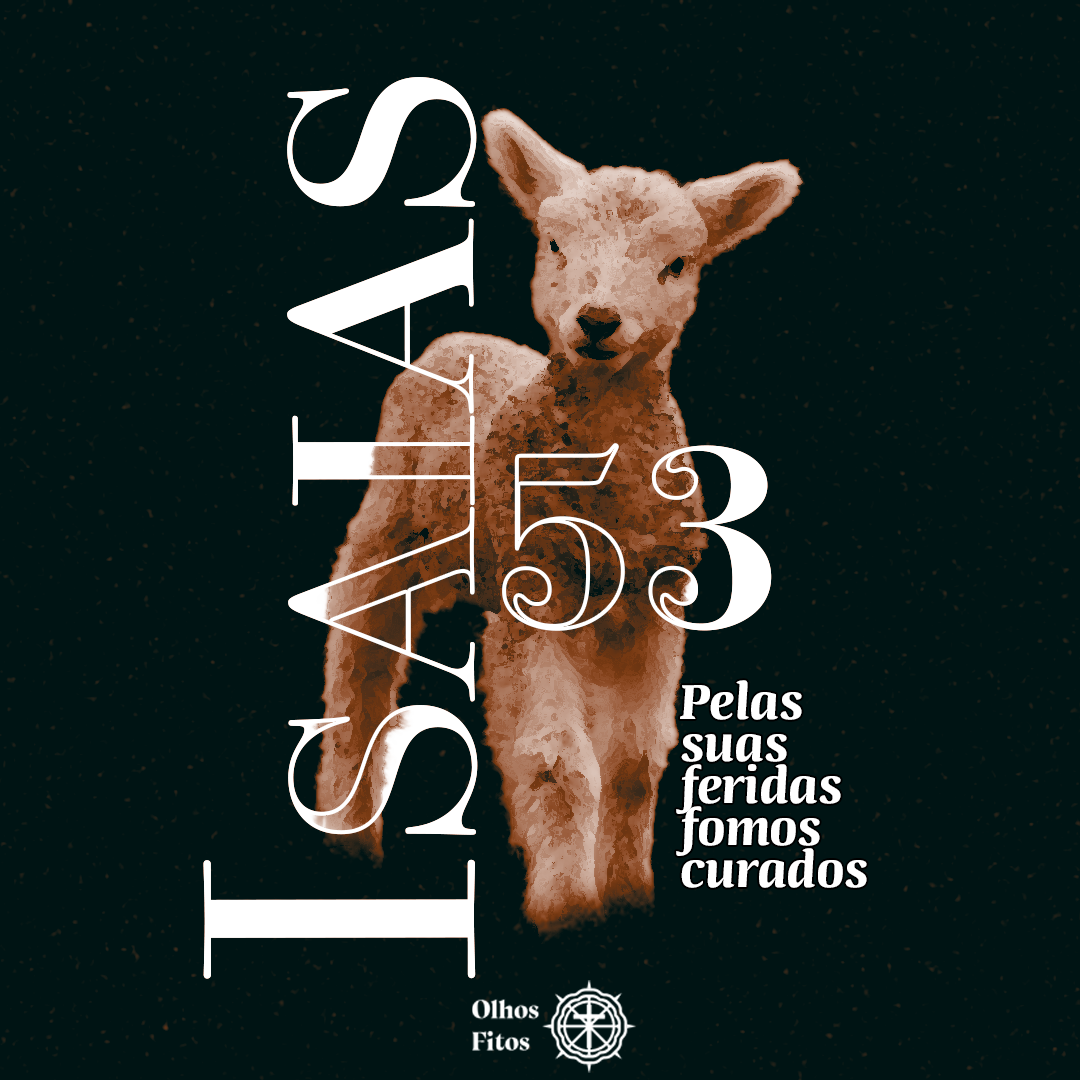
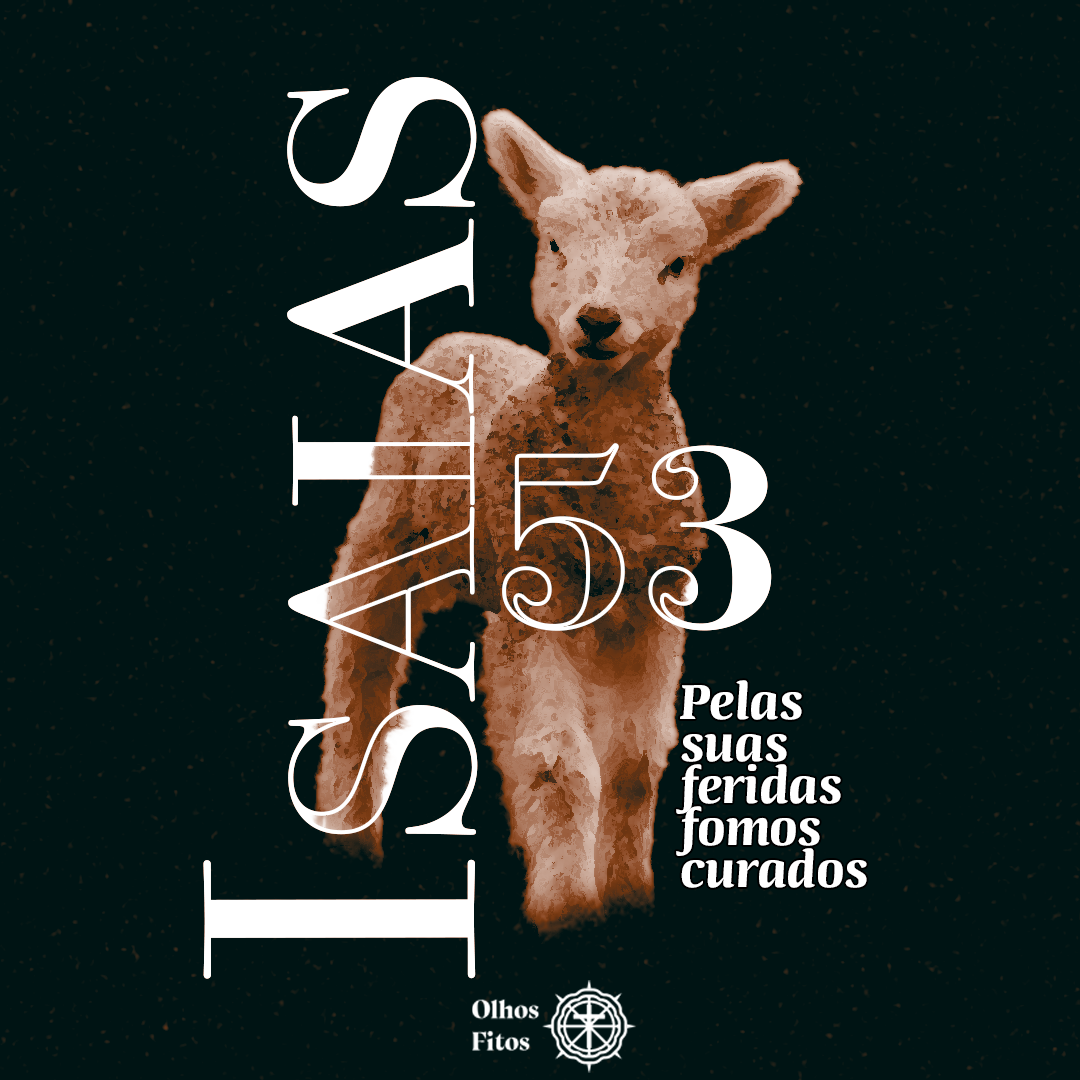
Projeto realizado com base em Isaias 53:5. Foi utilizado o cordeiro como elemento central devido ao simbolismo que o cordeiro carrega sobre Jesus, onde, no Antigo Testamento, era realizado sacrifícios com esses animais pela propiciação pelos pecados, porém o cordeiro definitivo foi o próprio Jesus. O cordeiro traz elementos suaves que assemelha uma pintura, transmitindo conforto.
Project based on Isaiah 53:5. The lamb was used as the central element due to the symbolism that the lamb carries for Jesus, where, in the Old Testament, sacrifices were made with these animals for the propitiation of sins, but the definitive lamb was Jesus himself. The lamb has soft elements that resemble a painting, transmitting comfort.
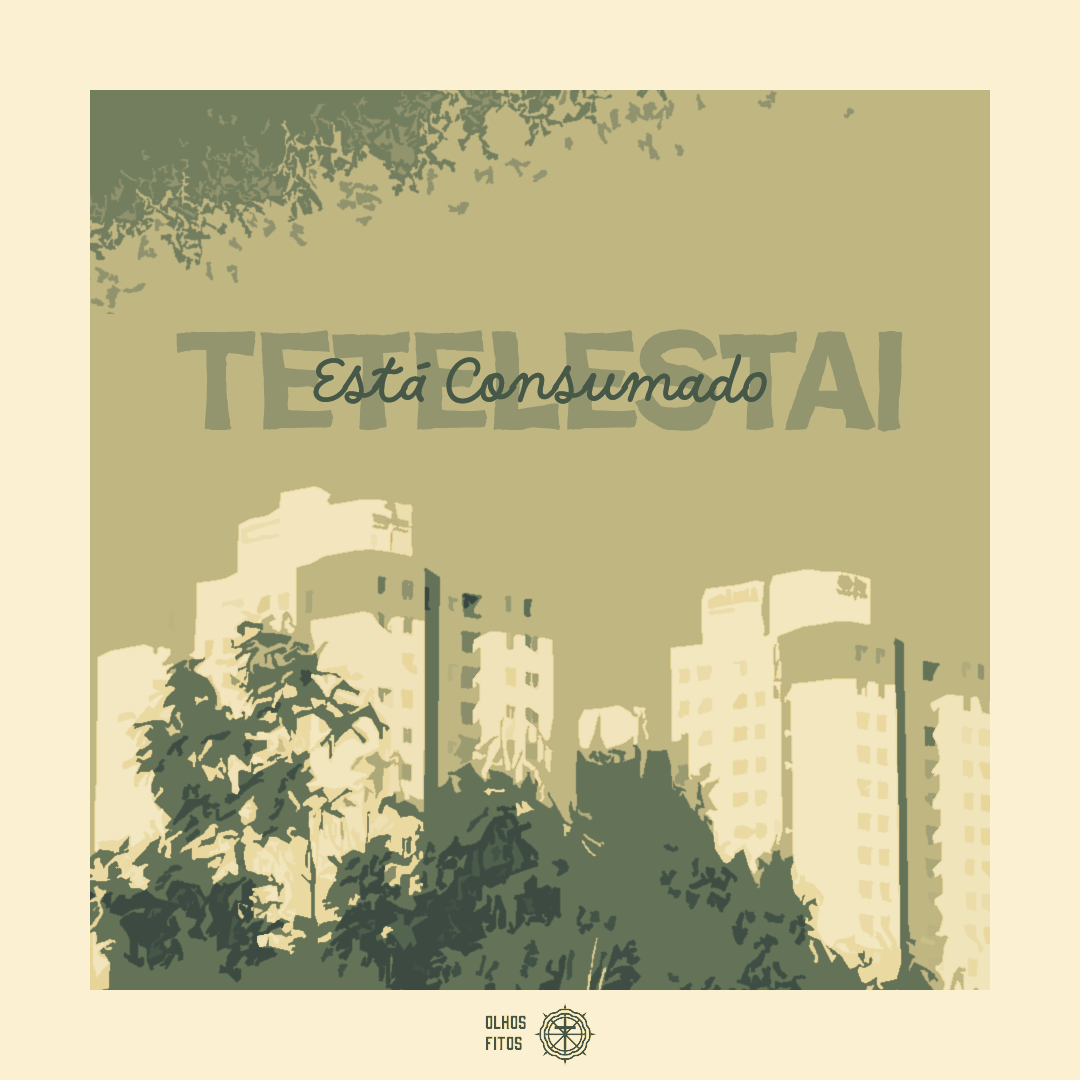
Projeto realizado com base no que Jesus disse na Cruz. ''Tetelestai'' em grego, traduzido para ''Está consumado''. A utilização da mescla de elementos urbanos e naturais, e o uso da cor verde representando esperança, tem o objetivo de representar o ambiente contemporâneo, representando o dia a dia do indivíduo, e a sua associação com o texto sendo relembrar que a vida tem valor com Jesus e manter a esperança nele.
Project based on what Jesus said on the Cross. ''Tetelestai'' in Greek, translated to ''It is finished''. The use of a mix of urban and natural elements, and the use of the color green representing hope, aims to represent the contemporary environment, representing the individual's day to day life, and its association with the text being to remember that life has value with Jesus and to maintain hope in him.
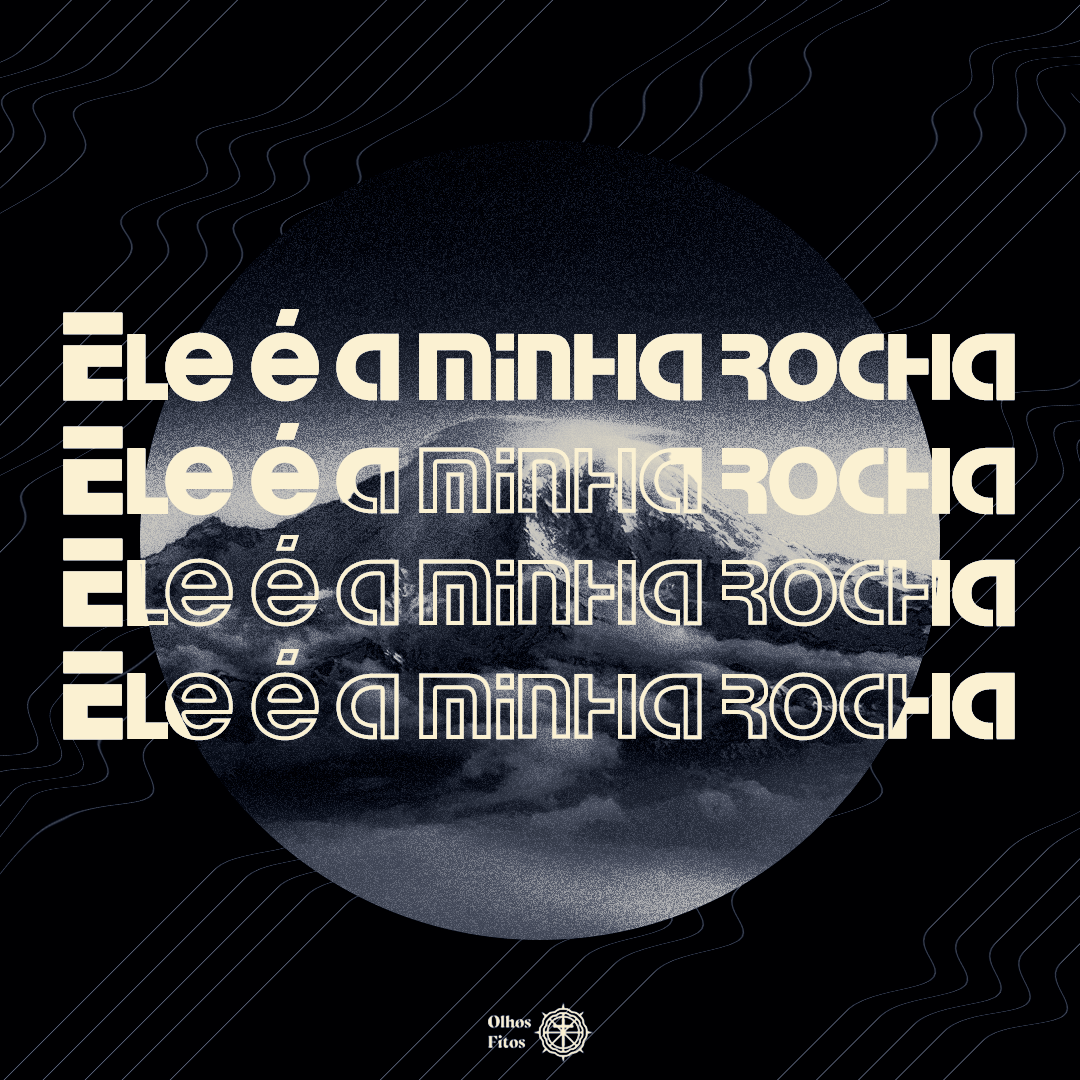
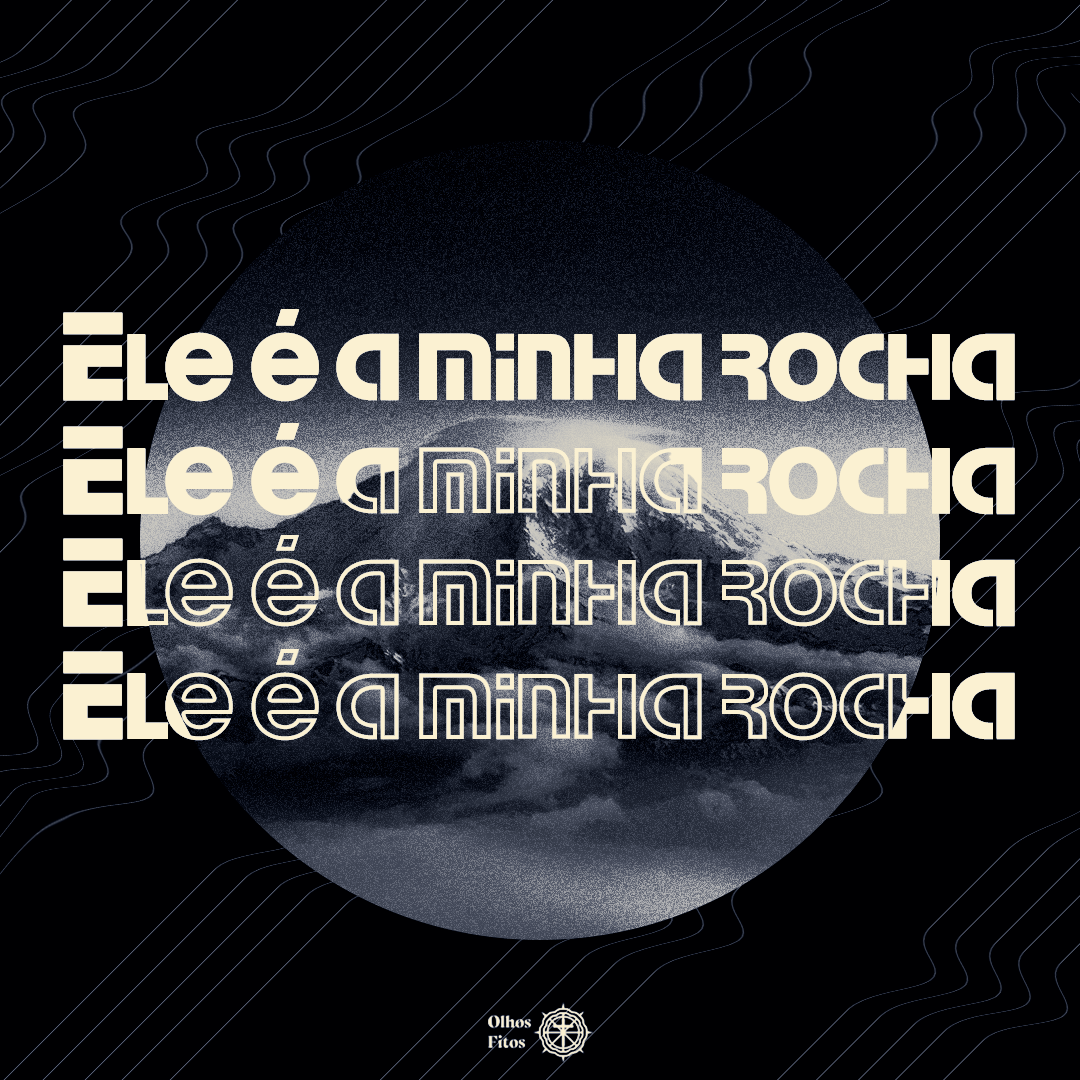
Projeto realizado com base em Salmos 62:6. O motivo da utilização de uma montanha como elemento secundário reforça a frase ''Ele é a minha rocha'', transmitindo estabilidade, segurança, grandeza, proteção, e também, literalmente uma rocha.
Project carried out based on Psalms 62:6. The reason for using a mountain as a secondary element reinforces the phrase ''He is my rock'', conveying stability, security, greatness, protection, and also, literally a rock.
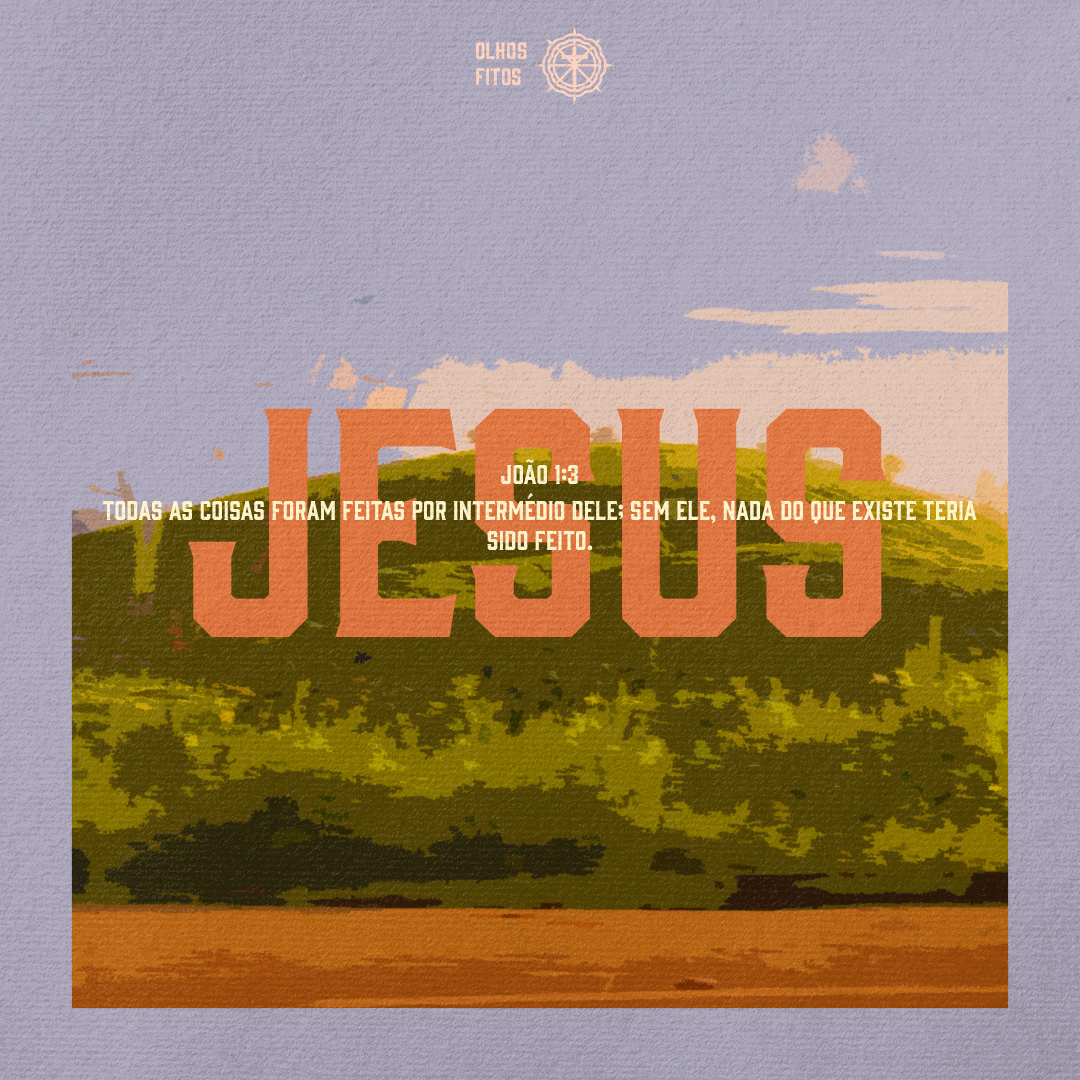
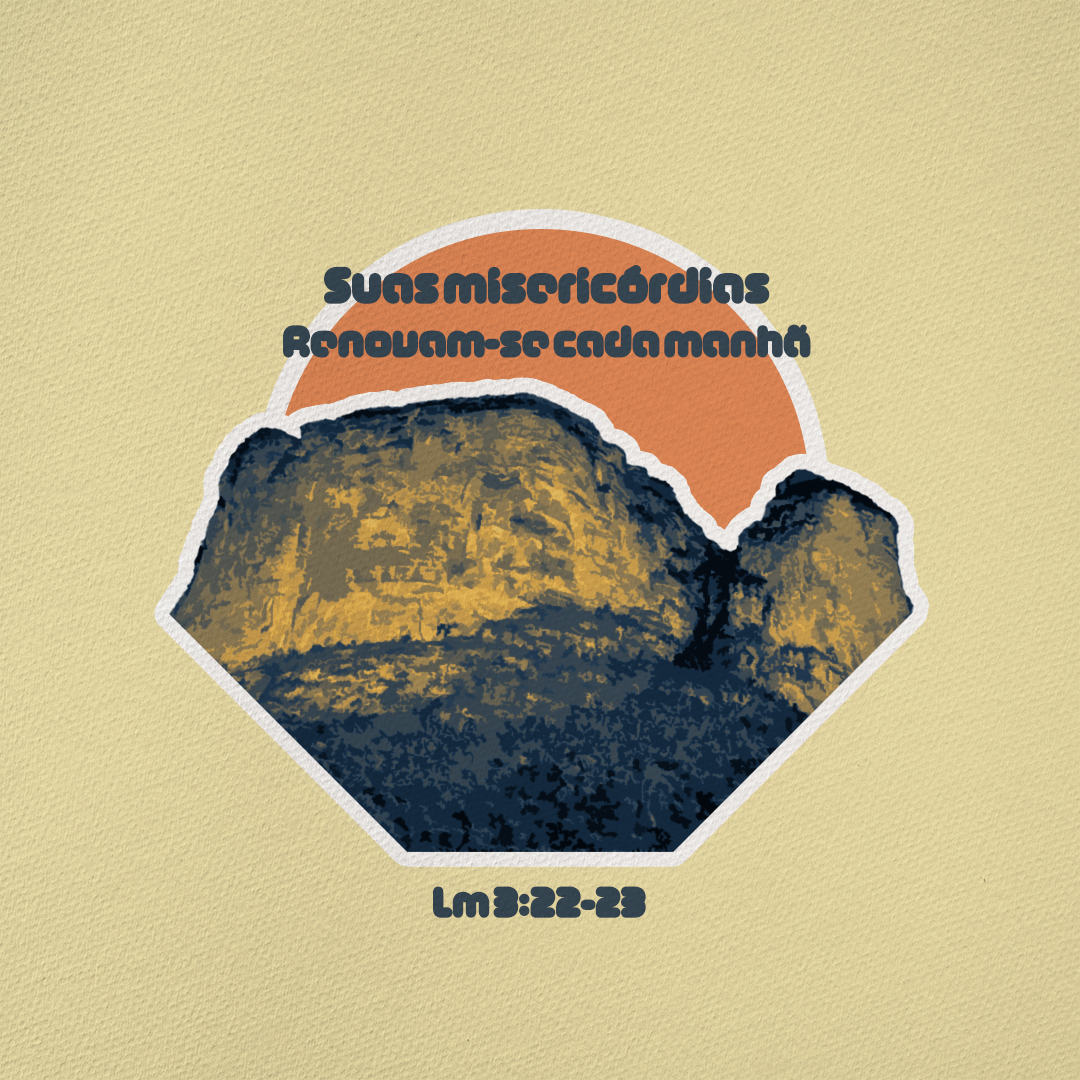
Projeto realizado com base em João 1:3. Foi utilizada como base para o fundo uma foto de um planalto goiano, transformado em elementos posterizados, trazendo cores mais vivas e saturadas, representando de forma simples o mundo ao nosso redor, e como toda a natureza foi feito por intermédio de Jesus. Foi aplicada uma textura de uma tela de pintura como forma de representar um registro de uma lembrança em uma parede.
Project based on John 1:3. A photo of a plateau in Goiás was used as the background, transformed into posterized elements, bringing more vivid and saturated colors, representing in a simple way the world around us, and how all of nature was created through Jesus. A texture from a painting canvas was applied as a way of representing a record of a memory on a wall.
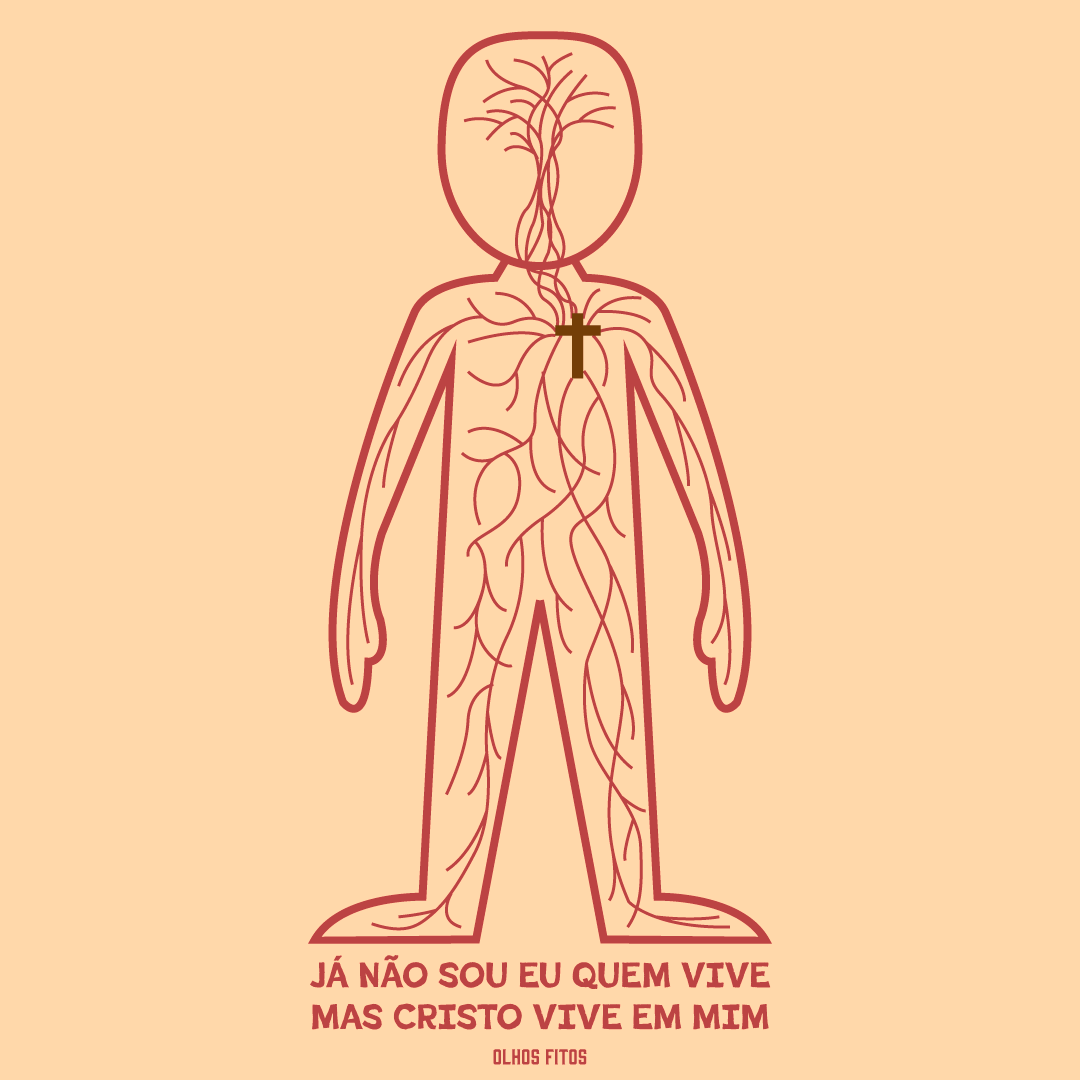
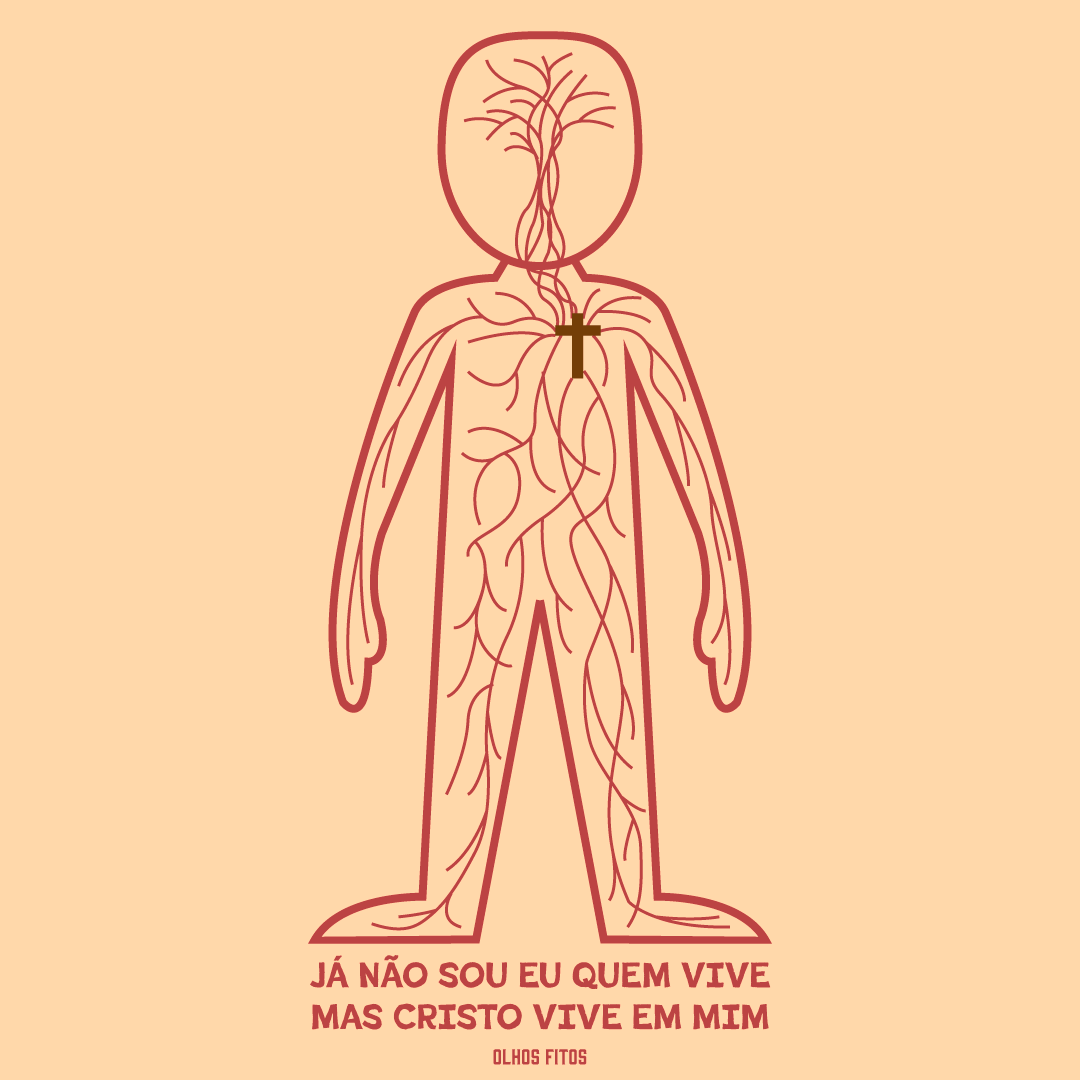
Projeto realizado com base em Gálatas 2:20, trazendo uma representação do trecho ''Mas Cristo vive em mim'' como uma cruz no lugar do coração e o sangue desta cruz circulando pelas veias do corpo. O foco dessa publicação é demonstrar que o cristão vive completamente por Cristo e Cristo habita nele, em cada veia de seu corpo.
Project based on Galatians 2:20, featuring a representation of the passage ''But Christ lives in me'' as a cross in place of the heart and the blood from this cross circulating through the veins of the body. The focus of this publication is to demonstrate that the Christian lives completely for Christ and Christ lives in him, in every vein of his body.
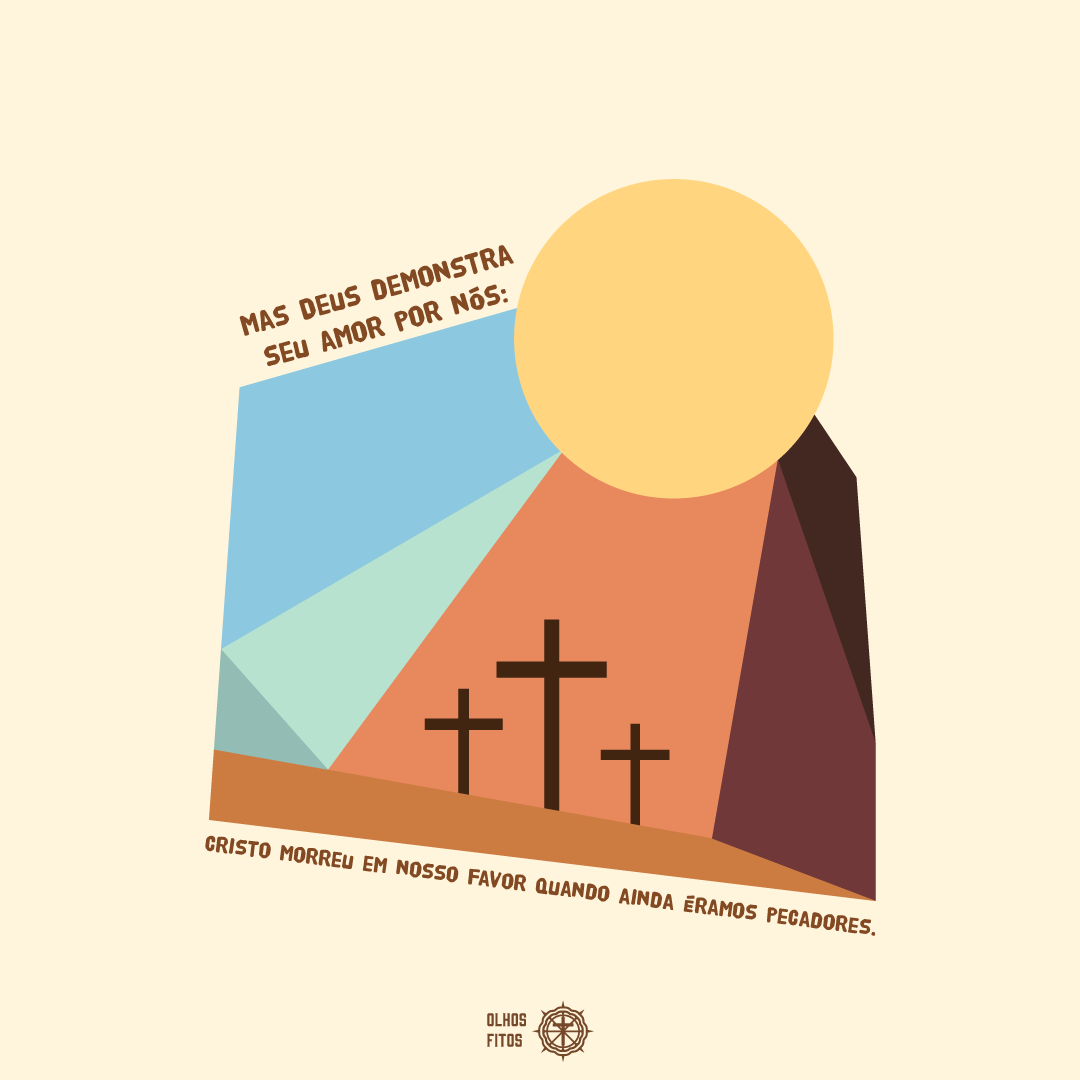
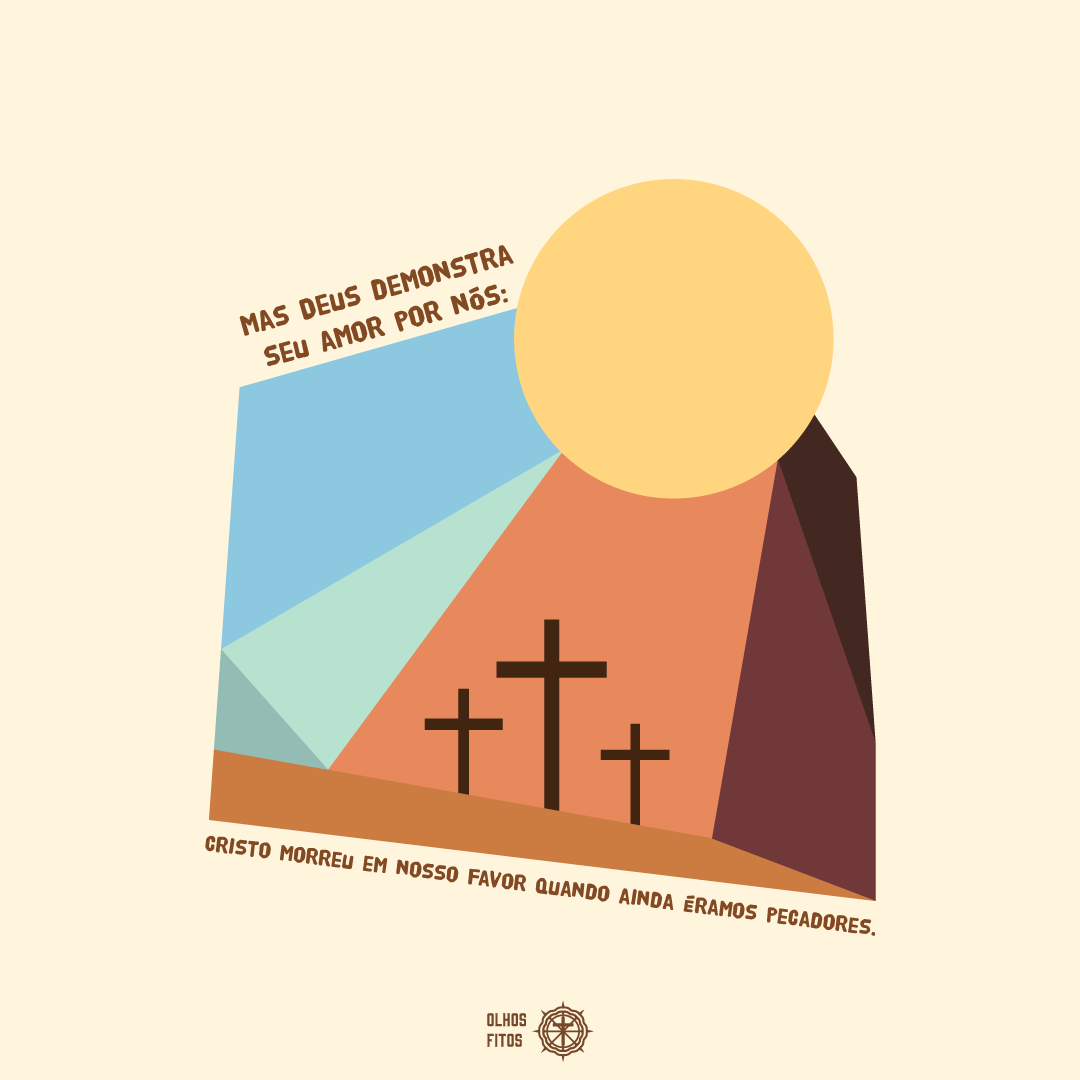
Feito com base em Romanos 5:6-8. A mensagem dessa passagem reafirma que o amor de Deus é tão grande que Cristo morreu para nos salvar quando ainda éramos pecadores. A representação traz as cruzes de Jesus e dos dois ladrões crucificados junto com ele, onde a cruz central representa a de Jesus, a cruz da esquerda a do ladrão que se arrependeu, e a da direita o ladrão que continuou zombando. Como as três cruzes estão de frente ao observador, a cruz do ladrão arrependido está a direita de Jesus, enquanto a do zombador está mais ao fundo, simbolizando que o ladrão arrependido estará com Cristo no céu, enquanto o zombador não. Na cultura judaica, o lado direito representa mais importância que o lado esquerdo.
Based on Romans 5:6-8. The message of this passage reaffirms that God's love is so great that Christ died to save us while we were still sinners. The representation shows the crosses of Jesus and the two thieves crucified with him, where the central cross represents that of Jesus, the cross on the left represents that of the thief who repented, and the cross on the right represents the thief who continued to mock. Since the three crosses are facing the observer, the cross of the repentant thief is to the right of Jesus, while the cross of the mocker is further back, symbolizing that the repentant thief will be with Christ in heaven, while the mocker will not. In Jewish culture, the right side represents more importance than the left side.
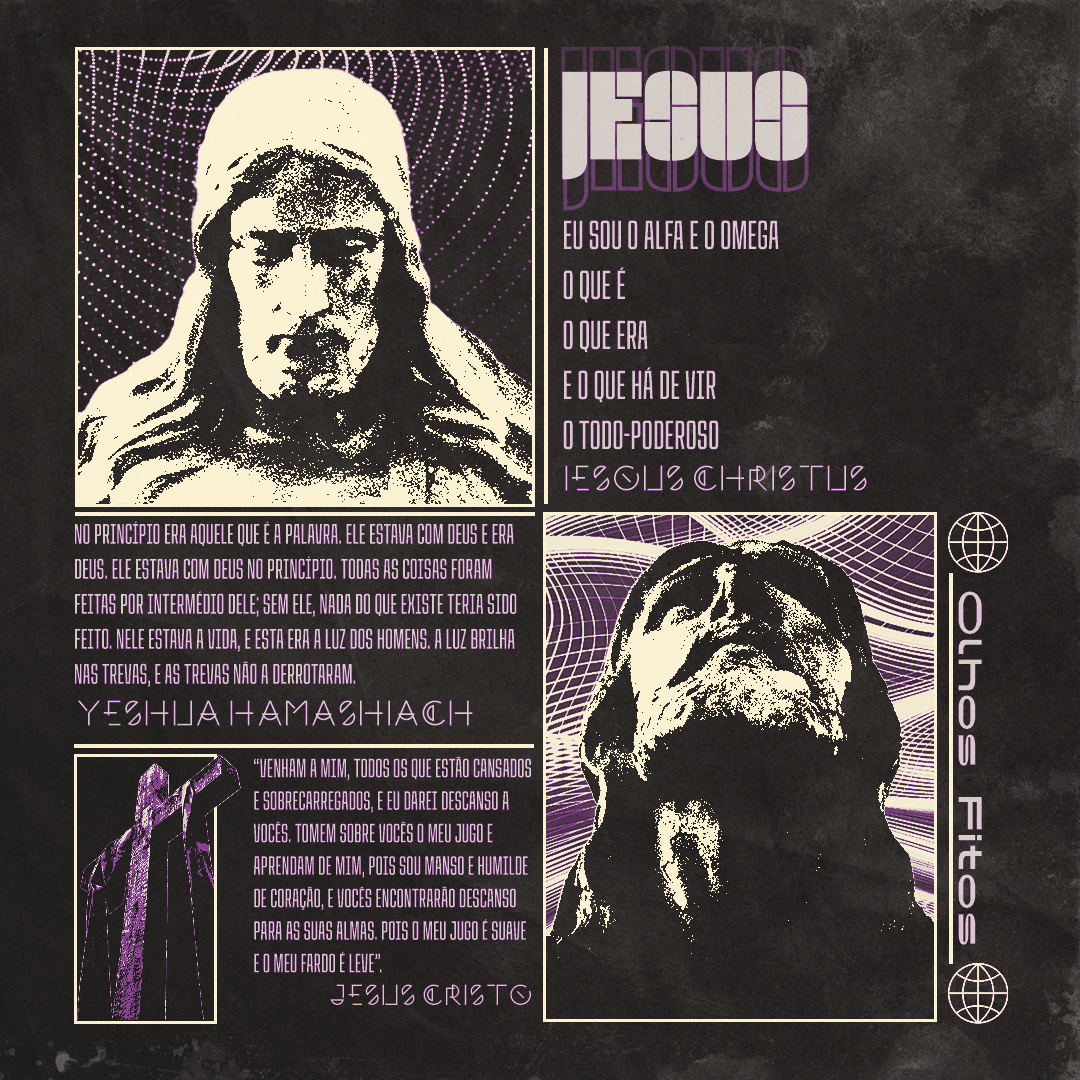
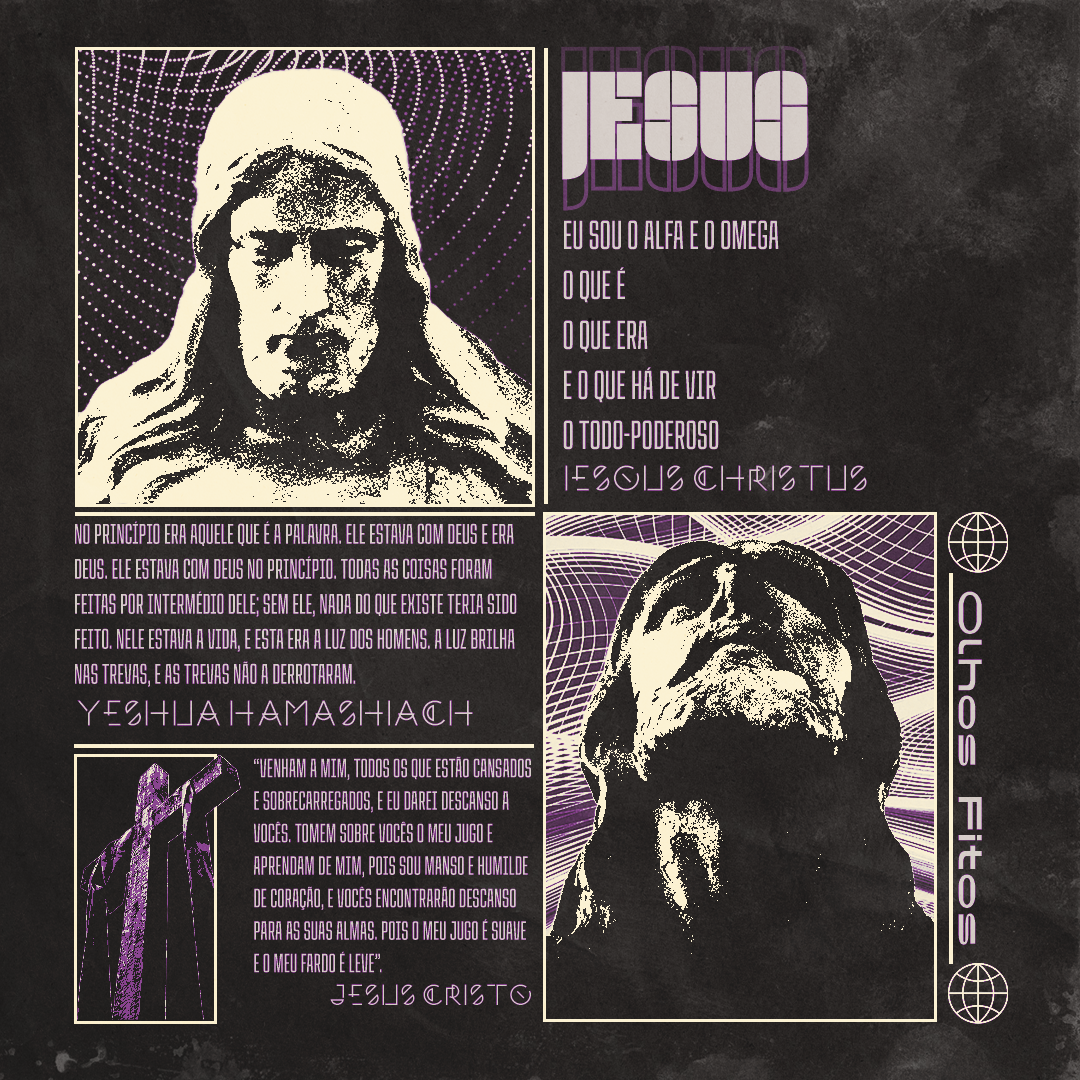
Este projeto utilizou da estética Brutalista, utilizando elementos robustos e retrofuturistas e uma baixa quantidade de matizes. Foi utilizada Apocalipse 1:8 ; João 1:1-5 ; Mateus 11:28-30 para descrever a grandiosidade de Jesus, embaixo de cada trecho, o nome de Jesus escrito em línguas diferentes, ''Iesous Christus'' em Grego/Latim, ''Yeshua Hamashiach'' em hebraico, e ''Jesus Cristo'' em português.
This project used the Brutalist aesthetic, using robust and retro-futuristic elements and a low amount of hues. Revelation 1:8; John 1:1-5; Matthew 11:28-30 were used to describe the greatness of Jesus, below each passage, the name of Jesus written in different languages, ''Iesous Christus'' in Greek/Latin, ''Yeshua Hamashiach'' in Hebrew, and ''Jesus Christ'' in Portuguese.